The origins: salt under the Salzberg
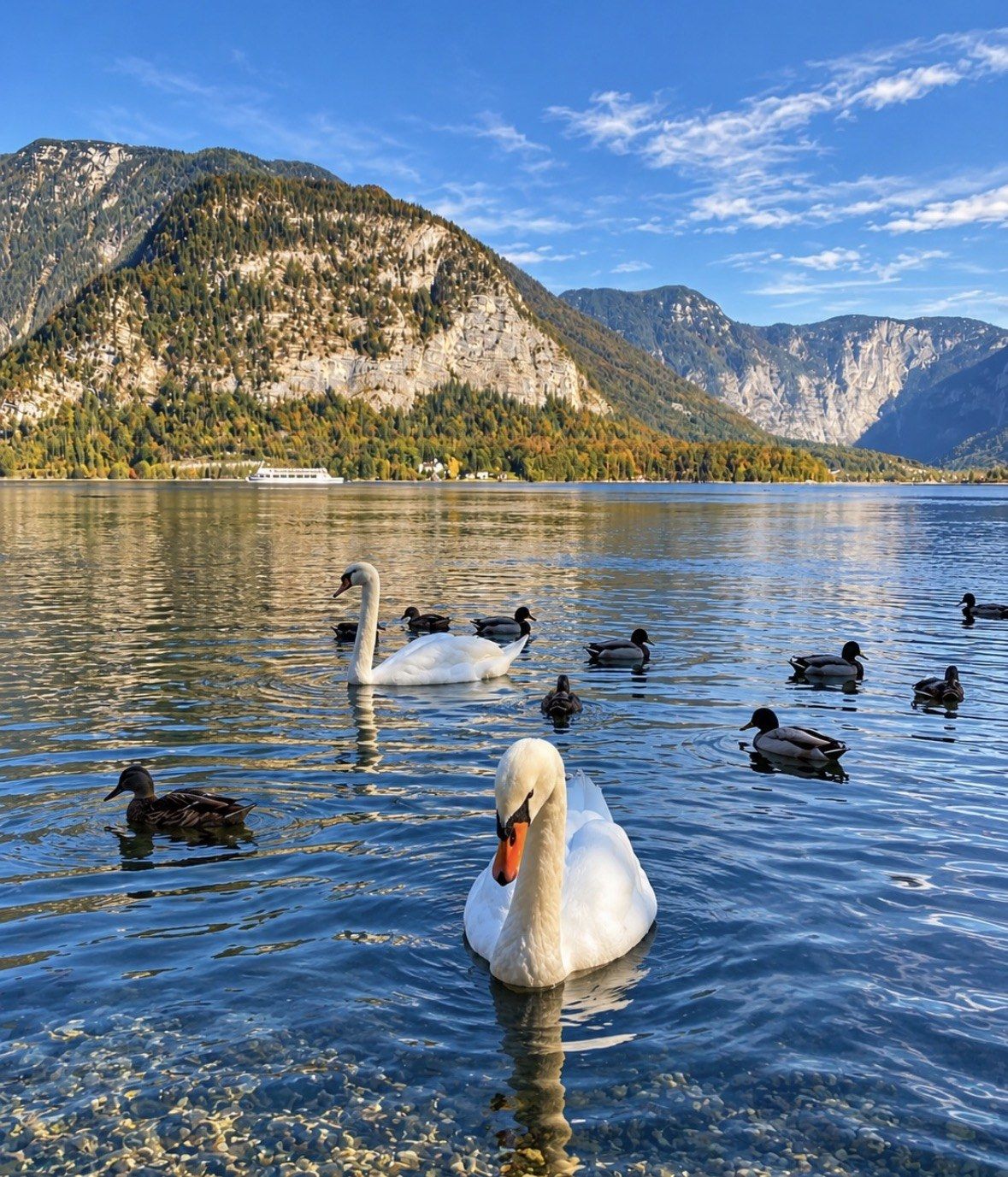
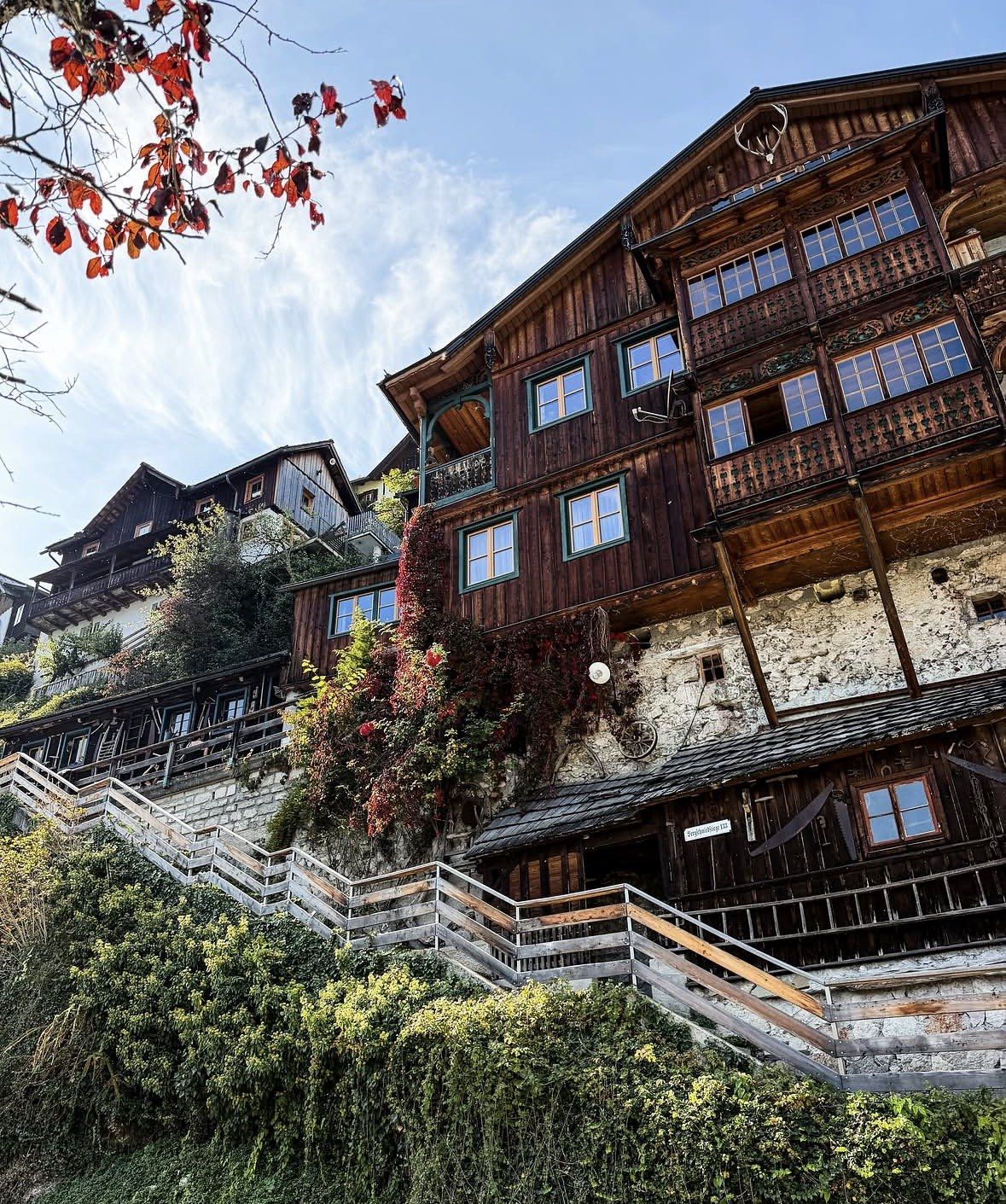
Salt made Hallstatt. Salzwelten, the company that runs the mine above the village, dates salt extraction on this mountain to about 7,000 years, and the hard evidence is still underground: a wooden staircase, almost 3,400 years old, found in 2002 and now shown in the 'Bronze Age Cinema' roughly 400 metres inside the Salzberg. The setting explains the longevity. The Hallstättersee (Lake Hallstatt) covers 8.55 km², measures 5.9 km by 2.3 km and drops to 125 m, and the flat shelf beside it at 508 m above sea level is barely wide enough for one street. Miners worked the slope above because the valley floor offered them nothing else.
Iron Age graves cut into the high valley turned a local industry into a reference point for archaeologists across Europe. They produced metalwork, tools and imported goods in such quantity that the village's name was attached to a whole period: the Hallstatt culture of roughly 800 to 450 BC, a term still used from eastern France to the Balkans. Finds came out of the same ground the miners were working, which is why the collection stayed in the village instead of moving to a capital city. The Welterbemuseum (World Heritage Museum) at Seestraße 56 displays material from the mine and the burial ground, and it opens daily through the year.
Salt, a mountain railway and a painted chapel
Most visitors underestimate the underground tour. It lasts about 90 minutes at a constant 8 °C, with the mine holding roughly 8–10 °C all year, so a fleece matters even in August. You pass through galleries cut for brine extraction, ride a 64-metre miners' slide and reach the 'Bronze Age Cinema' about 400 metres inside the mountain, where the almost 3,400-year-old staircase is presented. Children are admitted only from the age of 4, registration is required, and the mine itself is not wheelchair accessible even though the valley station, the funicular and the mountain station are. The regional tourism board advises allowing at least three hours including the funicular ride.
Salzbergbahn, the funicular up to the mine, reopened on 29 August 2026 after 362 days of construction and about €34 million of investment. It covers 593 metres with a height difference of 325 metres in just over two and a half minutes, and its two barrier-free cabins carry 60 passengers each instead of the previous 24, departing every 15 minutes in high season. Your salt-mine ticket also covers the 'World Heritage View' Skywalk, a steel platform cantilevered roughly 12 metres over the drop below the Rudolfsturm, standing at 855 metres above sea level and 360 metres above the roofs of the village, plus the panorama lift, the scenic bridge, the Rudolf's Tower exhibitions and the 'Pathway through Time' with its audio-guide app.
St Michael's Chapel, on Kirchenweg beside the Catholic church, holds the village ossuary, and it is run by the Catholic parish office rather than by the municipality or a tourism company. The chapel has served this purpose since the 12th century. About 1,200 skulls are kept there, 610 of them painted and arranged by family with the date of death, a tradition that began in 1720 and ended with the youngest skull placed in 1995. Opening is seasonal and short: daily 10:00 to 18:00 from May to September, 10:00 to 17:00 in October and 11:30 to 14:30 in November, with no December-to-April hours published. Keep your voice down inside.
Facts and figures behind the village
7,000
years of salt mining on the Salzberg, as dated by Salzwelten
3,400
approximate age in years of the wooden staircase found in 2002
800–450 BC
the Hallstatt culture, named after the village
1997
UNESCO World Heritage inscription at the 21st session
1720
start of the skull-painting tradition in St Michael's Chapel
741
inhabitants of Hallstatt at 508 m above sea level
World Heritage status and what mass tourism changed
Hallstatt became part of a UNESCO World Heritage Site in 1997, when the Hallstatt–Dachstein/Salzkammergut Cultural Landscape was inscribed at the 21st session of the World Heritage Committee. What was listed is a landscape rather than a single monument: the salt mountain, the lake, the high valley and the neighbouring Dachstein terrain all belong to the property. The reasoning follows the continuity you can still see on a visit, from the Bronze Age timbers found in the galleries to a mine that still sells guided tours every day of its season. Recognition also turned a working village into a name recognised far outside Austria, and the consequences arrived quickly.
Visitor numbers are the hardest fact about modern Hallstatt. The village counted roughly 1.2 million visitors in 2025 against just over 130,000 overnight stays, which means almost everybody arrives and leaves within a few hours. For 2026 the deputy mayor estimated about 10% fewer day visitors, attributed partly to the year-long rebuild of the funicular, which kept the mountain closed for most of the season. Set those numbers against 741 inhabitants and a municipal area given as 58 km², where nearly all the usable flat ground is one lakeside street, and the pressure is easy to picture. The market square fills around the middle of the day.
Management of that pressure is visible everywhere. Cars cannot reach the historic centre at all: it is sealed by two barrier systems, and even hotels and apartments inside it cannot be driven to, so day visitors use P1 at the petrol station on Salinenplatz, P2 on Kohlstattweg by the Saline or P4 towards Obertraun, then walk 5 to 20 minutes. Tour coaches need a booked slot, must stay at least 2 hours 20 minutes and are capped at 54 a day, and buses with bicycle trailers are banned. Salzwelten has no visitor parking of its own and tells guests to allow at least an hour to find a space, recommending public transport.
Hallstatt today
Daily life carries on behind the photographs, and so do the building sites. The municipality is rebuilding Seestraße, the lakeside street, between Polreich and the war memorial from 12 October 2026 to an estimated 25 June 2027, with traffic-signal control and a pause from 21 December 2026 to 11 January 2027. Hours differ by operator, so check each one for your date. The World Heritage Museum opens daily, 11:00 to 16:00 from January to March and in November and December and 10:00 to 18:00 from May to September, with last admission 60 minutes before closing. The salt mine's last guided tour starts at 15:00 from 2 November 2026 to 6 January 2027, and the mine is closed on 24 and 31 December.
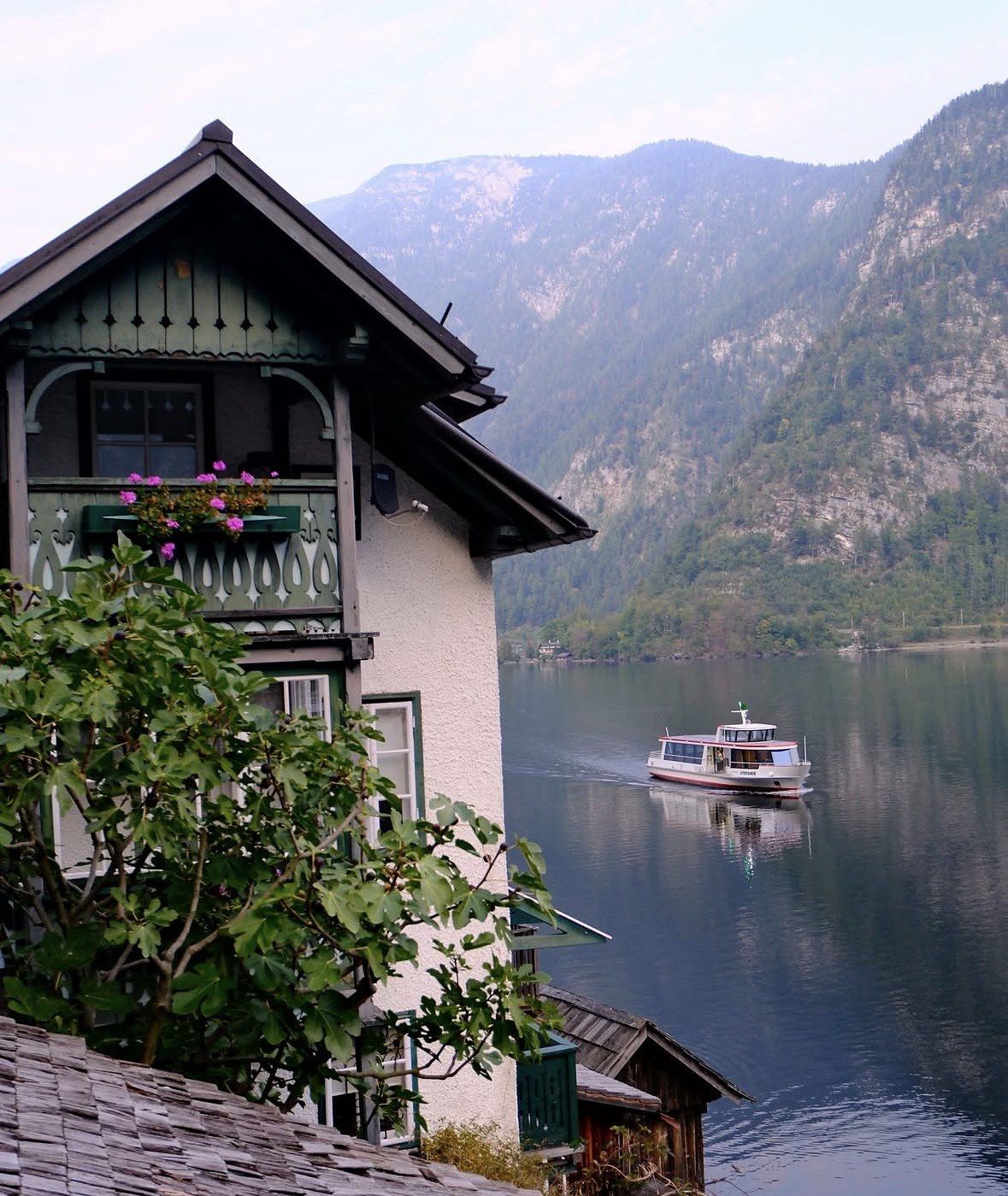
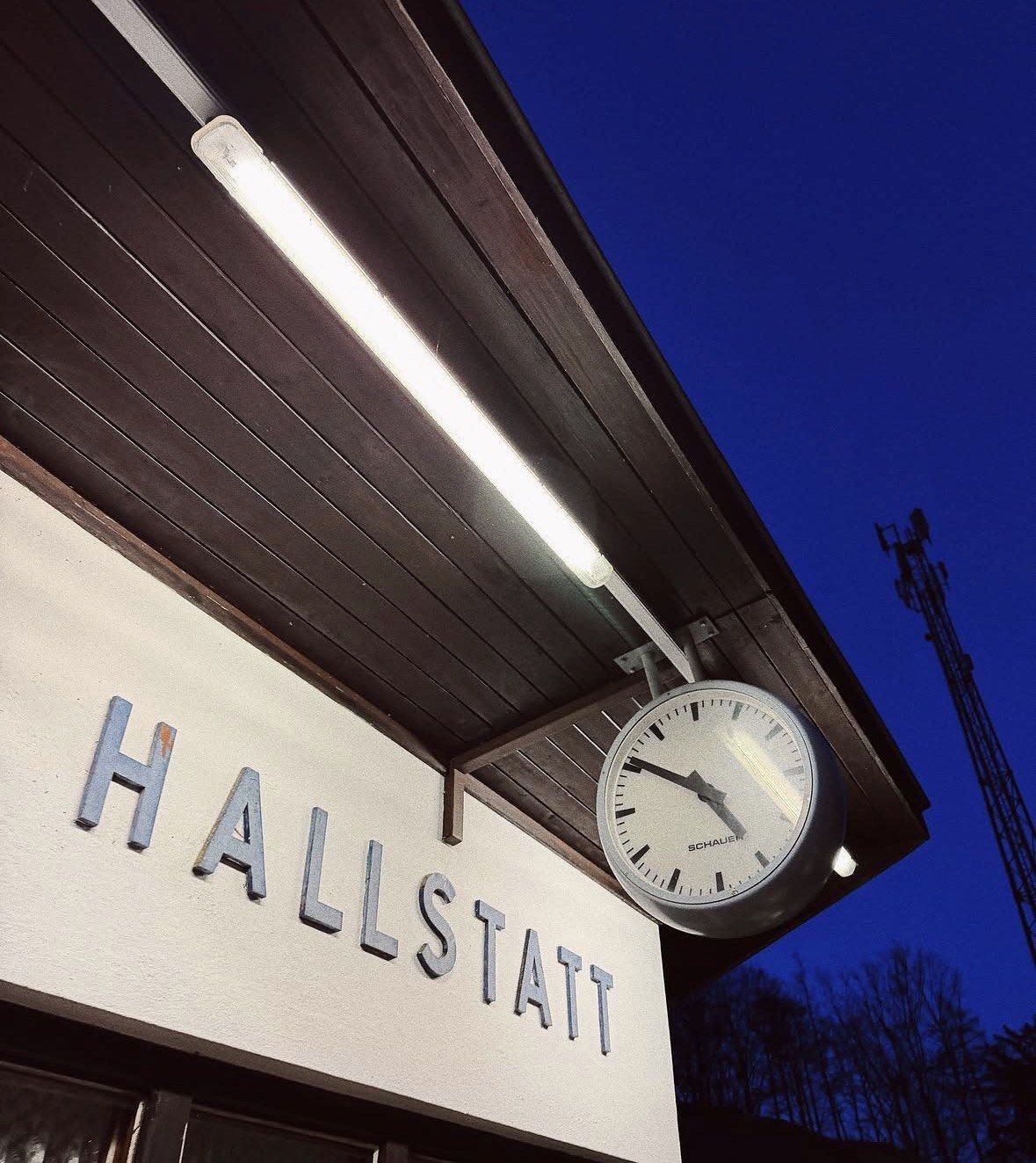
Arrival works best from the water. Hallstatt's railway station sits on the opposite, east shore; the pier is a two-minute walk below the platforms, and MS Stefanie, operated by Hallstättersee Schifffahrt Hemetsberger, crosses to the market square every day of the year, timed to train arrivals, in about 15 minutes. Trains run at least hourly from Salzburg Hbf in 2h16 or 2h41 and from Vienna Hbf in 3h33 to 3h58, with a 2 to 3 minute change at Attnang-Puchheim. Buses stop early, the last departure from Bad Ischl station being at 18:16, which is why most travellers from Salzburg, Vienna and Munich come on an organised day tour. Aim to be on the square before 10:00.